文章目录
- 调试不仅仅是修复错误,更是一种系统性的问题解决思维方式。它涉及到: 问题定位:准确识别问题的根源 逻辑推理:基于证据进行系统性分析 实验设计:构建有效的测试和验证方案 解决方案:制定并实施有效的修复策略 著名计算机科学家Brian Kernighan曾说过:“调试的难度是编写代码的两倍。因此,如果你在编写代码时尽可能聪明,那么根据定义,你还没有足够的能力来调试它。” 这句话深刻地揭示了调试思维的重要性。
- Python作为动态语言,具有独特的调试挑战和优势: # Python的动态特性带来的调试挑战示例 class DynamicBehavior: def __init__(self): self.attributes = {} def __getattr__(self, name): # 动态属性访问可能隐藏潜在问题 if name in self.attributes: return self.attributes[name] else: # 运行时才暴露的问题 raise AttributeError(f”‘{self.__class__.__name__}’ object has no attribute ‘{name}'”) # 这类问题在编译时无法发现,只能在运行时调试 obj = DynamicBehavior() obj.attributes[“existing”] = “value” print(obj.existing) # 正常 print(obj.nonexistent) # 运行时错误 本文将深入探讨Python程序员在面对复杂问题时应具备的调试思维模式,并提供一套完整的调试方法和实践工具。
- 有效的调试应该遵循科学的思维框架。我们提出五步调试法: class DebuggingMindset: “””调试思维框架””” def __init__(self): self.steps = [ “问题重现”, “信息收集”, “假设生成”, “实验验证”, “解决方案” ] def apply_framework(self, problem_description): “””应用五步调试框架””” print(“=== 应用五步调试框架 ===”) results = {} for step in self.steps: print(f”n步骤: {step}”) method = getattr(self, f”step_{step.lower().replace(‘ ‘, ‘_’)}”) results[step] = method(problem_description) return results def step_问题重现(self, problem): “””步骤1:确保问题可重现””” print(“目标:创建可靠的问题重现环境”) checklist = [ “✓ 确定问题发生的准确条件”, “✓ 创建最小重现用例”, “✓ 记录环境配置和依赖版本”, “✓ 验证问题的一致性” ] return checklist def step_信息收集(self, problem): “””步骤2:全面收集相关信息””” print(“目标:收集所有相关数据和上下文”) information_sources = [ “错误堆栈跟踪”, “日志文件分析”, “系统状态快照”, “用户操作序列”, “相关配置信息” ] return information_sources def step_假设生成(self, problem): “””步骤3:基于证据生成假设””” print(“目标:提出可能的问题根源假设”) hypothesis_techniques = [ “分治法:将问题分解为更小的部分”, “对比法:与正常工作状态对比”, “时间线分析:识别变化点”, “依赖分析:检查外部因素影响” ] return hypothesis_techniques def step_实验验证(self, problem): “””步骤4:设计实验验证假设””” print(“目标:通过实验确认或排除假设”) validation_methods = [ “单元测试验证特定功能”, “日志注入获取更多信息”, “条件断点检查特定状态”, “A/B测试对比不同配置” ] return validation_methods def step_解决方案(self, problem): “””步骤5:实施并验证解决方案””” print(“目标:实施修复并确保问题解决”) solution_steps = [ “实施最小化修复”, “添加回归测试”, “验证修复效果”, “文档记录问题和解决方案” ] return solution_steps # 使用示例 debugger = DebuggingMindset() problem = “应用程序在处理大型数据集时内存泄漏” results = debugger.apply_framework(problem)
- 在调试过程中,程序员常常受到各种认知偏见的影响。了解这些陷阱有助于我们保持客观: class CognitiveBiases: “””调试中的认知偏见识别””” def __init__(self): self.biases = { “确认偏见”: “倾向于寻找支持自己假设的证据”, “锚定效应”: “过分依赖最初获得的信息”, “可用性启发”: “基于容易想到的案例做判断”, “专家盲点”: “假设其他人拥有与自己相同的知识水平” } def check_biases(self, debugging_process): “””检查调试过程中可能存在的认知偏见””” warnings = [] if debugging_process.get(‘first_impression_dominates’): warnings.append(“⚠️ 锚定效应:可能过分依赖最初的问题判断”) if debugging_process.get(‘ignoring_contrary_evidence’): warnings.append(“⚠️ 确认偏见:可能忽略与当前假设矛盾的证据”) if debugging_process.get(‘overconfidence_in_solution’): warnings.append(“⚠️ 过度自信:可能过早确认问题根源”) return warnings def mitigation_strategies(self): “””偏见缓解策略””” strategies = { “寻求同行评审”: “让他人检查你的推理过程”, “系统化记录”: “详细记录所有证据,包括矛盾信息”, “考虑替代解释”: “主动寻找其他可能的解释”, “定期反思”: “定期回顾和质疑自己的假设” } return strategies # 偏见检查示例 biases_checker = CognitiveBiases() debugging_session = { ‘first_impression_dominates’: True, ‘ignoring_contrary_evidence’: False, ‘overconfidence_in_solution’: True } warnings = biases_checker.check_biases(debugging_session) print(“认知偏见警告:”, warnings)
- Python提供了丰富的内置调试工具,掌握这些工具是调试思维的基础: import logging import pdb import traceback import sys from functools import wraps import time class BasicDebuggingTools: “””Python基础调试工具集””” def __init__(self): self.setup_logging() def setup_logging(self, level=logging.DEBUG): “””配置日志系统””” logging.basicConfig( level=level, format=’%(asctime)s – %(name)s – %(levelname)s – %(message)s’, handlers=[ logging.FileHandler(‘debug.log’), logging.StreamHandler(sys.stdout) ] ) self.logger = logging.getLogger(__name__) def debug_decorator(self, func): “””调试装饰器:自动记录函数执行信息””” @wraps(func) def wrapper(*args, **kwargs): self.logger.debug(f”调用函数: {func.__name__}”) self.logger.debug(f”参数: args={args}, kwargs={kwargs}”) start_time = time.time() try: result = func(*args, **kwargs) execution_time = time.time() – start_time self.logger.debug(f”函数 {func.__name__} 执行成功, 耗时: {execution_time:.4f}s”) return result except Exception as e: execution_time = time.time() – start_time self.logger.error(f”函数 {func.__name__} 执行失败, 耗时: {execution_time:.4f}s”) self.logger.error(f”错误: {str(e)}”) self.logger.error(traceback.format_exc()) raise return wrapper def interactive_debugging(self, func, *args, **kwargs): “””交互式调试包装器””” print(f”开始交互式调试函数: {func.__name__}”) print(“设置断点…”) # 设置跟踪函数以进入调试器 def trace_calls(frame, event, arg): if event == ‘call’: filename = frame.f_code.co_filename lineno = frame.f_lineno print(f”调用: {filename}:{lineno}”) return trace_calls # 执行函数 try: sys.settrace(trace_calls) result = func(*args, **kwargs) sys.settrace(None) return result except Exception as e: print(f”捕获到异常,进入调试器…”) traceback.print_exc() pdb.post_mortem(sys.exc_info()[2]) def memory_debugging(self, obj): “””内存使用调试””” import sys size = sys.getsizeof(obj) self.logger.info(f”对象 {type(obj)} 内存大小: {size} 字节”) if hasattr(obj, ‘__dict__’): for attr, value in obj.__dict__.items(): attr_size = sys.getsizeof(value) self.logger.info(f” 属性 {attr}: {attr_size} 字节”) return size # 使用示例 tools = BasicDebuggingTools() @tools.debug_decorator def example_function(data): “””示例函数演示调试工具””” if not data: raise ValueError(“数据不能为空”) return [x * 2 for x in data if x > 0] # 测试调试工具 try: result = example_function([1, 2, 3, -1, 0, 4]) print(“结果:”, result) # 测试错误情况 example_function([]) except Exception as e: print(“捕获到预期错误”)
- 对于复杂问题,需要更高级的调试技术: import inspect import gc import objgraph from contextlib import contextmanager import threading import cProfile import pstats import io class AdvancedDebuggingTechniques: “””高级调试技术””” def __init__(self): self.profiler = cProfile.Profile() @contextmanager def performance_profile(self, sort_by=’cumulative’, limit=10): “””性能分析上下文管理器””” self.profiler.enable() try: yield finally: self.profiler.disable() # 生成分析报告 s = io.StringIO() ps = pstats.Stats(self.profiler, stream=s).sort_stats(sort_by) ps.print_stats(limit) print(“性能分析结果:”) print(s.getvalue()) def trace_object_lifecycle(self, obj, obj_name): “””跟踪对象生命周期””” print(f”=== 对象 {obj_name} 生命周期跟踪 ===”) # 获取对象信息 print(f”对象ID: {id(obj)}”) print(f”对象类型: {type(obj)}”) print(f”引用计数: {sys.getrefcount(obj) – 1}”) # 减去临时引用 # 检查对象是否在垃圾回收器中 if gc.is_tracked(obj): print(“对象被垃圾回收器跟踪”) else: print(“对象未被垃圾回收器跟踪”) def detect_memory_leaks(self, snapshot_before, snapshot_after): “””检测内存泄漏””” print(“=== 内存泄漏检测 ===”) leaked_objects = [] for obj in snapshot_after: if obj not in snapshot_before: # 检查对象是否应该被释放 if not self._is_expected_new_object(obj): leaked_objects.append(obj) print(f”发现 {len(leaked_objects)} 个可能的内存泄漏对象”) for obj in leaked_objects[:5]: # 只显示前5个 print(f”泄漏对象: {type(obj)} at {id(obj)}”) return leaked_objects def _is_expected_new_object(self, obj): “””判断对象是否是预期的新对象””” # 这里可以实现更复杂的逻辑来判断对象是否应该存在 expected_types = [type(None), type(…)] # 示例 return type(obj) in expected_types def thread_debugging(self): “””多线程调试””” print(“=== 多线程调试 ===”) # 获取当前所有线程 for thread in threading.enumerate(): print(f”线程: {thread.name} (ID: {thread.ident})”) print(f” 活动: {thread.is_alive()}”) print(f” 守护线程: {thread.daemon}”) def dependency_analysis(self, obj): “””依赖关系分析””” print(“=== 对象依赖关系分析 ===”) # 显示引用关系 print(“引用此对象的对象:”) referrers = gc.get_referrers(obj) for ref in referrers[:3]: # 只显示前3个引用者 print(f” {type(ref)} at {id(ref)}”) print(“此对象引用的对象:”) referents = gc.get_referents(obj) for ref in referents[:3]: # 只显示前3个被引用者 print(f” {type(ref)} at {id(ref)}”) # 使用高级调试技术 advanced_tools = AdvancedDebuggingTechniques() # 性能分析示例 def performance_intensive_operation(): “””性能密集型操作示例””” result = [] for i in range(10000): result.append(i ** 2) return result print(“性能分析演示:”) with advanced_tools.performance_profile(): data = performance_intensive_operation() # 对象生命周期跟踪示例 sample_object = {“key”: “value”} advanced_tools.trace_object_lifecycle(sample_object, “sample_dict”) # 多线程调试示例 advanced_tools.thread_debugging()
- 分治法是将复杂问题分解为更小、更易管理的部分的经典策略: class DivideAndConquerDebugger: “””分治调试策略””” def __init__(self, problem_description): self.problem = problem_description self.components = [] self.hypotheses = [] def decompose_problem(self): “””分解复杂问题为组件””” print(f”分解问题: {self.problem}”) # 基于问题类型的不同分解策略 decomposition_strategies = { “performance”: self._decompose_performance_issue, “memory”: self._decompose_memory_issue, “logic”: self._decompose_logic_issue, “integration”: self._decompose_integration_issue } # 识别问题类型并应用相应策略 problem_type = self._classify_problem_type() strategy = decomposition_strategies.get(problem_type, self._decompose_general) self.components = strategy() return self.components def _classify_problem_type(self): “””分类问题类型””” problem_lower = self.problem.lower() if any(word in problem_lower for word in [‘slow’, ‘performance’, ‘speed’]): return “performance” elif any(word in problem_lower for word in [‘memory’, ‘leak’, ‘oom’]): return “memory” elif any(word in problem_lower for word in [‘logic’, ‘calculation’, ‘algorithm’]): return “logic” elif any(word in problem_lower for word in [‘integration’, ‘api’, ‘network’]): return “integration” else: return “general” def _decompose_performance_issue(self): “””分解性能问题””” components = [ {“name”: “输入数据规模”, “description”: “分析输入数据的大小和复杂度”}, {“name”: “算法复杂度”, “description”: “检查算法的时间复杂度”}, {“name”: “I/O操作”, “description”: “分析文件、网络等I/O操作”}, {“name”: “外部依赖”, “description”: “检查数据库查询、API调用等”}, {“name”: “系统资源”, “description”: “分析CPU、内存、磁盘使用情况”} ] return components def _decompose_memory_issue(self): “””分解内存问题””” components = [ {“name”: “对象生命周期”, “description”: “分析对象的创建和销毁”}, {“name”: “引用循环”, “description”: “检查可能的循环引用”}, {“name”: “缓存策略”, “description”: “分析缓存使用和清理”}, {“name”: “数据结构和算法”, “description”: “检查内存使用效率”}, {“name”: “第三方库”, “description”: “分析外部库的内存使用”} ] return components def _decompose_logic_issue(self): “””分解逻辑问题””” components = [ {“name”: “边界条件”, “description”: “检查边界情况和极端输入”}, {“name”: “状态管理”, “description”: “分析程序状态变化”}, {“name”: “数据流”, “description”: “跟踪数据在系统中的流动”}, {“name”: “条件判断”, “description”: “检查所有条件分支”}, {“name”: “错误处理”, “description”: “分析异常处理逻辑”} ] return components def _decompose_integration_issue(self): “””分解集成问题””” components = [ {“name”: “接口兼容性”, “description”: “检查API版本和数据格式”}, {“name”: “网络通信”, “description”: “分析网络延迟和稳定性”}, {“name”: “数据序列化”, “description”: “检查数据编码和解码”}, {“name”: “认证授权”, “description”: “分析权限和认证机制”}, {“name”: “超时和重试”, “description”: “检查超时设置和重试逻辑”} ] return components def _decompose_general(self): “””通用问题分解””” components = [ {“name”: “输入验证”, “description”: “检查输入数据的有效性”}, {“name”: “处理逻辑”, “description”: “分析核心业务逻辑”}, {“name”: “输出生成”, “description”: “检查结果生成过程”}, {“name”: “错误处理”, “description”: “分析异常情况处理”}, {“name”: “环境配置”, “description”: “检查运行环境和配置”} ] return components def generate_hypotheses(self): “””为每个组件生成假设””” print(“n生成问题假设:”) for component in self.components: hypothesis = self._create_hypothesis(component) self.hypotheses.append({ “component”: component[“name”], “hypothesis”: hypothesis, “priority”: self._assign_priority(component), “test_method”: self._suggest_test_method(component) }) return self.hypotheses def _create_hypothesis(self, component): “””为组件创建问题假设””” hypotheses_templates = { “输入数据规模”: “问题可能与大数据量处理相关”, “算法复杂度”: “算法效率可能是瓶颈”, “I/O操作”: “磁盘或网络I/O可能过慢”, “对象生命周期”: “可能存在对象未及时释放”, “引用循环”: “可能存在循环引用阻止垃圾回收”, “边界条件”: “特定边界情况可能未被正确处理” } return hypotheses_templates.get( component[“name”], f”{component[‘name’]}可能存在配置或实现问题” ) def _assign_priority(self, component): “””分配测试优先级””” high_priority_components = [“算法复杂度”, “引用循环”, “边界条件”] if component[“name”] in high_priority_components: return “高” else: return “中” def _suggest_test_method(self, component): “””建议测试方法””” test_methods = { “输入数据规模”: “使用不同规模的数据进行测试”, “算法复杂度”: “性能分析和时间复杂度计算”, “I/O操作”: “I/O性能监控和优化”, “对象生命周期”: “内存分析和对象跟踪”, “引用循环”: “循环引用检测和垃圾回收分析” } return test_methods.get( component[“name”], “单元测试和集成测试” ) def execute_debugging_plan(self): “””执行调试计划””” if not self.hypotheses: self.decompose_problem() self.generate_hypotheses() print(“n执行调试计划:”) results = [] # 按优先级排序 sorted_hypotheses = sorted( self.hypotheses, key=lambda x: 0 if x[“priority”] == “高” else 1 ) for hypothesis in sorted_hypotheses: print(f”n测试: {hypothesis[‘component’]}”) print(f”假设: {hypothesis[‘hypothesis’]}”) print(f”方法: {hypothesis[‘test_method’]}”) # 这里可以实际执行测试 result = self._execute_test(hypothesis) results.append({ “hypothesis”: hypothesis, “result”: result, “confirmed”: result.get(“issue_found”, False) }) if result.get(“issue_found”): print(“✅ 发现问题!”) break else: print(“❌ 未发现问题,继续下一个假设”) return results def _execute_test(self, hypothesis): “””执行具体的测试(模拟)””” # 在实际应用中,这里会执行真实的测试代码 # 这里返回模拟结果 import random test_results = { “test_performed”: hypothesis[“test_method”], “execution_time”: f”{random.uniform(0.1, 2.0):.2f}s”, “metrics_collected”: [“执行时间”, “内存使用”, “错误计数”], “issue_found”: random.choice([True, False, False]) # 更倾向于未发现问题 } return test_results # 使用分治调试策略 complex_problem = “应用程序在处理用户上传的大型Excel文件时性能急剧下降” debugger = DivideAndConquerDebugger(complex_problem) print(“=== 分治调试策略演示 ===”) components = debugger.decompose_problem() print(“n问题组件:”) for comp in components: print(f”- {comp[‘name’]}: {comp[‘description’]}”) hypotheses = debugger.generate_hypotheses() print(“n生成的假设:”) for hyp in hypotheses: print(f”- [{hyp[‘priority’]}] {hyp[‘component’]}: {hyp[‘hypothesis’]}”) results = debugger.execute_debugging_plan()
- 将科学方法应用于调试过程: class ScientificDebuggingApproach: “””科学调试方法””” def __init__(self, problem_statement): self.problem = problem_statement self.observations = [] self.hypotheses = [] self.experiments = [] self.conclusions = [] def observe_and_question(self): “””观察和提问阶段””” print(“=== 观察和提问 ===”) observations = [ “准确描述观察到的现象”, “记录问题发生的环境条件”, “确定问题是否可重现”, “收集相关错误信息和日志” ] questions = [ “问题在什么条件下发生?”, “问题在什么条件下不发生?”, “最近有什么变化?”, “问题的严重程度如何?” ] self.observations = { “facts”: observations, “questions”: questions } return self.observations def form_hypothesis(self): “””形成假设阶段””” print(“n=== 形成假设 ===”) hypothesis_framework = “”” 基于以下证据: {evidence} 我假设问题是由: {root_cause} 引起的,因为: {reasoning} “”” # 生成多个竞争性假设 competing_hypotheses = [ { “evidence”: “性能下降与数据规模相关”, “root_cause”: “算法时间复杂度问题”, “reasoning”: “大数据量下算法效率成为瓶颈”, “testable_prediction”: “处理时间应与数据规模成非线性关系” }, { “evidence”: “内存使用持续增长”, “root_cause”: “内存泄漏或缓存策略问题”, “reasoning”: “未释放的对象积累导致内存压力”, “testable_prediction”: “内存使用应随时间线性增长” }, { “evidence”: “特定输入导致问题”, “root_cause”: “边界条件处理不当”, “reasoning”: “某些输入数据触发了未处理的边缘情况”, “testable_prediction”: “问题应在特定输入模式复现” } ] self.hypotheses = competing_hypotheses return self.hypotheses def design_experiments(self): “””设计实验阶段””” print(“n=== 设计实验 ===”) experiments = [] for i, hypothesis in enumerate(self.hypotheses): experiment = { “hypothesis_id”: i, “purpose”: f”验证假设: {hypothesis[‘root_cause’]}”, “method”: self._design_experiment_method(hypothesis), “metrics”: self._define_success_metrics(hypothesis), “controls”: self._establish_controls() } experiments.append(experiment) self.experiments = experiments return experiments def _design_experiment_method(self, hypothesis): “””设计实验方法””” methods = { “算法时间复杂度问题”: “使用不同规模输入测试执行时间,分析时间复杂度”, “内存泄漏或缓存策略问题”: “监控内存使用,进行对象生命周期分析”, “边界条件处理不当”: “系统化测试边界情况和极端输入” } return methods.get( hypothesis[“root_cause”], “创建最小重现用例并进行对比测试” ) def _define_success_metrics(self, hypothesis): “””定义成功指标””” metrics = { “算法时间复杂度问题”: [“执行时间”, “CPU使用率”, “时间复杂度”], “内存泄漏或缓存策略问题”: [“内存使用”, “对象数量”, “垃圾回收频率”], “边界条件处理不当”: [“错误率”, “异常类型”, “输入验证结果”] } return metrics.get( hypothesis[“root_cause”], [“成功率”, “错误计数”, “性能指标”] ) def _establish_controls(self): “””建立控制组””” return [ “确保测试环境一致性”, “使用相同的输入数据”, “控制外部变量”, “多次运行取平均值” ] def execute_and_analyze(self): “””执行和分析阶段””” print(“n=== 执行和分析实验 ===”) results = [] for experiment in self.experiments: print(f”n执行实验: {experiment[‘purpose’]}”) # 模拟实验执行 experiment_result = self._simulate_experiment(experiment) analysis = self._analyze_results(experiment, experiment_result) results.append({ “experiment”: experiment, “result”: experiment_result, “analysis”: analysis, “hypothesis_supported”: analysis[“conclusion”] == “supported” }) return results def _simulate_experiment(self, experiment): “””模拟实验执行(在实际应用中替换为真实实验)””” import random return { “execution_time”: f”{random.uniform(1.0, 5.0):.2f}s”, “data_collected”: { “metrics”: experiment[“metrics”], “values”: [random.randint(1, 100) for _ in experiment[“metrics”]] }, “observations”: [“测试正常完成”, “数据收集成功”], “issues_encountered”: [] } def _analyze_results(self, experiment, result): “””分析实验结果””” # 简化的分析逻辑 hypothesis_id = experiment[“hypothesis_id”] hypothesis = self.hypotheses[hypothesis_id] # 模拟分析结果 conclusions = [“supported”, “refuted”, “inconclusive”] conclusion = random.choice(conclusions) analysis = { “data_quality”: “good”, “statistical_significance”: “high”, “conclusion”: conclusion, “confidence_level”: “95%”, “next_steps”: self._suggest_next_steps(conclusion, hypothesis) } return analysis def _suggest_next_steps(self, conclusion, hypothesis): “””根据结论建议下一步””” if conclusion == “supported”: return [f”深入调查 {hypothesis[‘root_cause’]}”, “设计修复方案”] elif conclusion == “refuted”: return [“排除此假设”, “重新评估其他假设”] else: return [“改进实验设计”, “收集更多数据”, “考虑其他假设”] def draw_conclusions(self, experiment_results): “””得出结论阶段””” print(“n=== 得出结论 ===”) supported_hypotheses = [ result for result in experiment_results if result[“hypothesis_supported”] ] if supported_hypotheses: best_hypothesis = supported_hypotheses[0] hypothesis = self.hypotheses[best_hypothesis[“experiment”][“hypothesis_id”]] conclusion = { “status”: “RESOLVED”, “root_cause”: hypothesis[“root_cause”], “confidence”: “HIGH”, “evidence”: best_hypothesis[“analysis”], “recommendation”: f”修复 {hypothesis[‘root_cause’]} 相关问题” } else: conclusion = { “status”: “INCONCLUSIVE”, “root_cause”: “UNKNOWN”, “confidence”: “LOW”, “evidence”: “所有假设均未被证实”, “recommendation”: “重新观察问题,生成新的假设” } self.conclusions = conclusion return conclusion # 使用科学调试方法 scientific_debugger = ScientificDebuggingApproach( “Web应用在高峰时段响应时间显著增加” ) print(“=== 科学调试方法演示 ===”) observations = scientific_debugger.observe_and_question() print(“观察结果:”, observations) hypotheses = scientific_debugger.form_hypothesis() print(“生成的假设:”, [h[“root_cause”] for h in hypotheses]) experiments = scientific_debugger.design_experiments() results = scientific_debugger.execute_and_analyze() conclusions = scientific_debugger.draw_conclusions(results) print(“n最终结论:”, conclusions)
- 并发问题是Python调试中最具挑战性的领域之一: import threading import time import queue from concurrent.futures import ThreadPoolExecutor import random class ConcurrencyDebugger: “””并发问题调试器””” def __init__(self): self.lock = threading.Lock() self.debug_info = [] self.race_conditions_detected = 0 def debug_thread_safety(self, function, *args, **kwargs): “””调试线程安全性””” print(“=== 线程安全性调试 ===”) def wrapped_function(*args, **kwargs): thread_name = threading.current_thread().name start_time = time.time() # 记录线程开始执行 self._log_thread_event(thread_name, “START”, function.__name__) try: # 使用锁确保线程安全(在调试时可以注释掉来测试竞争条件) with self.lock: result = function(*args, **kwargs) execution_time = time.time() – start_time self._log_thread_event(thread_name, “COMPLETE”, function.__name__, execution_time=execution_time) return result except Exception as e: execution_time = time.time() – start_time self._log_thread_event(thread_name, “ERROR”, function.__name__, error=str(e), execution_time=execution_time) raise return wrapped_function def _log_thread_event(self, thread_name, event_type, function_name, error=None, execution_time=None): “””记录线程事件””” event = { “timestamp”: time.time(), “thread”: thread_name, “event”: event_type, “function”: function_name, “error”: error, “execution_time”: execution_time } with self.lock: self.debug_info.append(event) def detect_race_conditions(self, shared_resource): “””检测竞争条件””” print(“=== 竞争条件检测 ===”) original_value = shared_resource.get(“counter”, 0) def competing_operation(): # 非原子操作,可能产生竞争条件 current = shared_resource.get(“counter”, 0) time.sleep(0.001) # 增加竞争条件发生概率 shared_resource[“counter”] = current + 1 # 创建多个线程同时执行竞争操作 threads = [] for i in range(10): thread = threading.Thread(target=competing_operation, name=f”Thread-{i}”) threads.append(thread) # 启动所有线程 for thread in threads: thread.start() # 等待所有线程完成 for thread in threads: thread.join() final_value = shared_resource.get(“counter”, 0) expected_value = original_value + 10 if final_value != expected_value: self.race_conditions_detected += 1 print(f”⚠️ 检测到竞争条件! 期望: {expected_value}, 实际: {final_value}”) return True else: print(f”✅ 未检测到竞争条件”) return False def analyze_deadlocks(self): “””分析死锁可能性””” print(“=== 死锁分析 ===”) # 检查线程状态 for thread in threading.enumerate(): print(f”线程 {thread.name}: {thread.is_alive()}”) # 简单的死锁检测逻辑 active_threads = [t for t in threading.enumerate() if t.is_alive()] if len(active_threads) > 1: print(f”有 {len(active_threads)} 个活动线程,可能存在死锁风险”) else: print(“线程状态正常”) def stress_test_concurrency(self, function, num_threads=50, num_iterations=100): “””并发压力测试””” print(f”=== 并发压力测试: {num_threads}线程, {num_iterations}迭代 ===”) results = queue.Queue() errors = queue.Queue() def worker(worker_id): for i in range(num_iterations): try: result = function(worker_id, i) results.put((worker_id, i, result)) except Exception as e: errors.put((worker_id, i, str(e))) # 创建线程池 with ThreadPoolExecutor(max_workers=num_threads) as executor: for i in range(num_threads): executor.submit(worker, i) # 收集结果 successful_operations = results.qsize() failed_operations = errors.qsize() print(f”成功操作: {successful_operations}”) print(f”失败操作: {failed_operations}”) if failed_operations > 0: print(“在压力测试中发现并发问题!”) while not errors.empty(): worker_id, iteration, error = errors.get() print(f”错误 – 工作线程 {worker_id}, 迭代 {iteration}: {error}”) return { “successful”: successful_operations, “failed”: failed_operations, “total”: successful_operations + failed_operations } # 并发调试示例 concurrency_debugger = ConcurrencyDebugger() # 测试共享资源 shared_data = {“counter”: 0} @concurrency_debugger.debug_thread_safety def thread_safe_increment(counter_dict): “””线程安全的计数器递增””” current = counter_dict.get(“counter”, 0) # 模拟一些处理时间 time.sleep(0.01) counter_dict[“counter”] = current + 1 return counter_dict[“counter”] # 测试竞争条件检测 print(“第一次竞争条件检测:”) concurrency_debugger.detect_race_conditions(shared_data) print(“n第二次竞争条件检测:”) concurrency_debugger.detect_race_conditions(shared_data) # 死锁分析 concurrency_debugger.analyze_deadlocks() # 压力测试 stress_test_result = concurrency_debugger.stress_test_concurrency( lambda worker_id, iteration: thread_safe_increment(shared_data), num_threads=10, num_iterations=5 ) print(“n压力测试结果:”, stress_test_result) print(“调试信息记录数量:”, len(concurrency_debugger.debug_info))
- import gc import tracemalloc import psutil import os class MemoryDebugger: “””内存问题调试器””” def __init__(self): self.snapshots = [] self.memory_history = [] tracemalloc.start() def take_memory_snapshot(self, label): “””获取内存快照””” snapshot = tracemalloc.take_snapshot() snapshot_info = { “label”: label, “snapshot”: snapshot, “timestamp”: time.time(), “process_memory”: self._get_process_memory() } self.snapshots.append(snapshot_info) return snapshot_info def _get_process_memory(self): “””获取进程内存使用””” process = psutil.Process(os.getpid()) return process.memory_info().rss / 1024 / 1024 # MB def compare_snapshots(self, snapshot1_label, snapshot2_label): “””比较两个内存快照””” snapshot1 = self._find_snapshot(snapshot1_label) snapshot2 = self._find_snapshot(snapshot2_label) if not snapshot1 or not snapshot2: print(“未找到指定的快照”) return None stats = snapshot2[“snapshot”].compare_to(snapshot1[“snapshot”], ‘lineno’) print(f”=== 内存变化分析: {snapshot1_label} -> {snapshot2_label} ===”) print(f”进程内存变化: {snapshot1[‘process_memory’]:.2f}MB -> {snapshot2[‘process_memory’]:.2f}MB”) # 显示内存分配最多的10个位置 print(“n内存分配最多的位置:”) for stat in stats[:10]: print(f”{stat.traceback}: {stat.size / 1024:.2f} KB”) return stats def _find_snapshot(self, label): “””根据标签查找快照””” for snapshot in self.snapshots: if snapshot[“label”] == label: return snapshot return None def detect_memory_leaks(self, function, *args, **kwargs): “””检测内存泄漏””” print(“=== 内存泄漏检测 ===”) # 强制垃圾回收 gc.collect() # 初始快照 self.take_memory_snapshot(“before_function”) # 多次执行函数 for i in range(5): result = function(*args, **kwargs) gc.collect() # 每次执行后强制GC # 记录内存使用 current_memory = self._get_process_memory() self.memory_history.append({ “iteration”: i, “memory_mb”: current_memory, “timestamp”: time.time() }) # 最终快照 self.take_memory_snapshot(“after_function”) # 分析内存增长 self._analyze_memory_growth() return result def _analyze_memory_growth(self): “””分析内存增长模式””” if len(self.memory_history) < 2: return initial_memory = self.memory_history[0][“memory_mb”] final_memory = self.memory_history[-1][“memory_mb”] memory_increase = final_memory – initial_memory print(f”内存增长分析:”) print(f”初始内存: {initial_memory:.2f} MB”) print(f”最终内存: {final_memory:.2f} MB”) print(f”内存增长: {memory_increase:.2f} MB”) if memory_increase > 10: # 10MB阈值 print(“⚠️ 检测到显著内存泄漏!”) elif memory_increase > 1: print(“⚠️ 检测到轻微内存增长”) else: print(“✅ 内存使用稳定”) def analyze_object_references(self, target_object): “””分析对象引用关系””” print(“=== 对象引用分析 ===”) referrers = gc.get_referrers(target_object) print(f”对象 {type(target_object)} 被 {len(referrers)} 个对象引用”) for i, referrer in enumerate(referrers[:5]): # 只显示前5个 print(f”引用者 {i+1}: {type(referrer)}”) referents = gc.get_referents(target_object) print(f”对象引用 {len(referents)} 个其他对象”) return { “referrers_count”: len(referrers), “referents_count”: len(referents) } def monitor_memory_usage(self, duration=30, interval=1): “””监控内存使用情况””” print(f”=== 内存使用监控 ({duration}秒) ===”) start_time = time.time() monitoring_data = [] try: while time.time() – start_time < duration: memory_info = self._get_memory_details() monitoring_data.append(memory_info) print(f”时间: {time.time() – start_time:.1f}s | ” f”内存: {memory_info[‘process_memory’]:.2f}MB | ” f”Python对象: {memory_info[‘object_count’]}”) time.sleep(interval) except KeyboardInterrupt: print(“监控被用户中断”) self._generate_memory_report(monitoring_data) return monitoring_data def _get_memory_details(self): “””获取详细内存信息””” process_memory = self._get_process_memory() # 统计Python对象数量 object_count = len(gc.get_objects()) return { “timestamp”: time.time(), “process_memory”: process_memory, “object_count”: object_count } def _generate_memory_report(self, monitoring_data): “””生成内存监控报告””” if not monitoring_data: return memory_values = [data[“process_memory”] for data in monitoring_data] max_memory = max(memory_values) min_memory = min(memory_values) avg_memory = sum(memory_values) / len(memory_values) print(f”n内存监控报告:”) print(f”最大内存使用: {max_memory:.2f} MB”) print(f”最小内存使用: {min_memory:.2f} MB”) print(f”平均内存使用: {avg_memory:.2f} MB”) print(f”内存波动范围: {max_memory – min_memory:.2f} MB”) # 内存调试示例 memory_debugger = MemoryDebugger() # 模拟内存密集型函数 def memory_intensive_operation(): “””模拟内存密集型操作””” data = [] for i in range(1000): data.append([j for j in range(1000)]) # 创建大量列表 return data # 内存泄漏检测 print(“执行内存泄漏检测:”) result = memory_debugger.detect_memory_leaks(memory_intensive_operation) # 比较内存快照 memory_debugger.compare_snapshots(“before_function”, “after_function”) # 对象引用分析 sample_object = {“test”: “data”, “nested”: {“key”: “value”}} memory_debugger.analyze_object_references(sample_object) # 内存监控(缩短时间为5秒用于演示) print(“n开始内存监控:”) monitoring_data = memory_debugger.monitor_memory_usage(duration=5, interval=1)
- 培养强大的调试思维需要日常的刻意练习: class DebuggingMindsetTrainer: “””调试思维训练器””” def __init__(self): self.skills = { “analytical_thinking”: 0, “patience”: 0, “attention_to_detail”: 0, “systematic_approach”: 0, “technical_knowledge”: 0 } self.practice_sessions = [] def daily_practice_routine(self): “””日常练习计划””” routine = [ self.practice_code_review, self.practice_problem_decomposition, self.practice_hypothesis_generation, self.practice_tool_usage, self.practice_documentation ] print(“=== 调试思维日常练习 ===”) for practice in routine: practice() self._update_skill_levels() self._generate_progress_report() def practice_code_review(self): “””练习代码审查””” print(“n1. 代码审查练习:”) print(“选择开源项目的一个模块,尝试找出潜在问题”) print(“重点观察: 错误处理、资源管理、边界条件”) review_findings = [ “检查异常处理是否完整”, “验证资源是否正确释放”, “分析算法复杂度”, “检查输入验证逻辑” ] self._record_practice_session(“code_review”, review_findings) def practice_problem_decomposition(self): “””练习问题分解””” print(“n2. 问题分解练习:”) print(“选择一个复杂问题,分解为可管理的小问题”) sample_problem = “用户报告应用在特定操作后变得非常缓慢” decomposition = [ “识别慢速操作的具体步骤”, “分析操作涉及的数据规模”, “检查外部依赖性能”, “评估系统资源使用情况” ] print(f”问题: {sample_problem}”) print(“分解结果:”, decomposition) self._record_practice_session(“problem_decomposition”, decomposition) def practice_hypothesis_generation(self): “””练习假设生成””” print(“n3. 假设生成练习:”) print(“基于有限信息生成多个竞争性假设”) scenario = “数据库查询在高峰时段变慢” hypotheses = [ “假设1: 数据库连接池耗尽”, “假设2: 缺少关键索引”, “假设3: 网络带宽限制”, “假设4: 硬件资源不足” ] print(f”场景: {scenario}”) print(“生成的假设:”, hypotheses) self._record_practice_session(“hypothesis_generation”, hypotheses) def practice_tool_usage(self): “””练习工具使用””” print(“n4. 调试工具练习:”) tools_to_practice = [ “pdb交互式调试”, “logging配置和使用”, “性能分析器”, “内存分析工具” ] print(“本周重点练习工具:”, tools_to_practice) self._record_practice_session(“tool_usage”, tools_to_practice) def practice_documentation(self): “””练习文档记录””” print(“n5. 调试文档练习:”) documentation_elements = [ “问题描述清晰准确”, “重现步骤详细完整”, “环境信息全面”, “解决方案记录完整”, “经验教训总结” ] print(“调试文档应包含:”, documentation_elements) self._record_practice_session(“documentation”, documentation_elements) def _record_practice_session(self, practice_type, findings): “””记录练习会话””” session = { “type”: practice_type, “findings”: findings, “timestamp”: time.time(), “duration_minutes”: 15 # 假设每个练习15分钟 } self.practice_sessions.append(session) def _update_skill_levels(self): “””更新技能等级””” # 简单的技能提升逻辑 for skill in self.skills: self.skills[skill] = min(100, self.skills[skill] + 2) def _generate_progress_report(self): “””生成进度报告””” print(“n” + “=”*40) print(“练习进度报告”) print(“=”*40) total_sessions = len(self.practice_sessions) print(f”总练习会话: {total_sessions}”) print(“n技能水平:”) for skill, level in self.skills.items(): print(f” {skill}: {level}/100″) # 计算综合调试能力 overall_score = sum(self.skills.values()) / len(self.skills) print(f”n综合调试能力: {overall_score:.1f}/100″) if overall_score < 50: print(“建议: 继续坚持日常练习”) elif overall_score < 80: print(“良好! 考虑参与真实项目调试”) else: print(“优秀! 可以指导他人调试技巧”) # 调试思维训练示例 trainer = DebuggingMindsetTrainer() # 执行一周的练习(演示用只执行一次) print(“开始调试思维训练…”) trainer.daily_practice_routine()
- 基于多年的调试经验,我们总结出以下最佳实践: class DebuggingBestPractices: “””调试最佳实践””” def __init__(self): self.practices = self._compile_best_practices() def _compile_best_practices(self): “””编译最佳实践””” return { “mindset”: [ “保持冷静和耐心”, “避免过早下结论”, “拥抱不确定性”, “从错误中学习” ], “methodology”: [ “使用科学方法系统化调试”, “一次只改变一个变量”, “详细记录所有实验和结果”, “从简单假设开始测试” ], “tools”: [ “熟练掌握基础调试工具”, “根据问题类型选择合适的工具”, “建立个人调试工具包”, “定期学习新工具和技术” ], “prevention”: [ “编写可测试的代码”, “实施完整的日志策略”, “建立监控和警报系统”, “定期进行代码审查” ], “collaboration”: [ “有效沟通问题描述”, “寻求同行评审和帮助”, “分享调试经验和学习”, “建立团队调试标准” ] } def get_practice_checklist(self, debug_phase): “””获取特定阶段的实践检查清单””” phase_practices = { “preparation”: [ “✓ 准确定义问题现象”, “✓ 确认问题重现性”, “✓ 收集环境信息”, “✓ 设定调试目标” ], “investigation”: [ “✓ 使用分治法分解问题”, “✓ 生成多个竞争性假设”, “✓ 设计控制实验”, “✓ 系统化收集数据” ], “resolution”: [ “✓ 实施最小化修复”, “✓ 验证修复效果”, “✓ 检查回归问题”, “✓ 更新相关文档” ], “learning”: [ “✓ 总结根本原因”, “✓ 记录经验教训”, “✓ 分享解决方案”, “✓ 更新预防措施” ] } return phase_practices.get(debug_phase, []) def evaluate_debugging_session(self, session_data): “””评估调试会话质量””” evaluation_criteria = { “problem_definition”: “问题描述是否清晰准确”, “reproducibility”: “是否建立了可靠的重现方法”, “data_collection”: “是否收集了足够的相关数据”, “hypothesis_quality”: “假设是否基于证据和推理”, “experiment_design”: “实验设计是否科学合理”, “solution_effectiveness”: “解决方案是否有效且完整”, “documentation”: “文档记录是否完整清晰” } scores = {} for criterion, description in evaluation_criteria.items(): # 在实际应用中,这里会有更复杂的评分逻辑 score = self._score_criterion(session_data, criterion) scores[criterion] = { “score”: score, “description”: description, “feedback”: self._generate_feedback(criterion, score) } overall_score = sum(item[“score”] for item in scores.values()) / len(scores) return { “scores”: scores, “overall_score”: overall_score, “improvement_suggestions”: self._get_improvement_suggestions(scores) } def _score_criterion(self, session_data, criterion): “””评分标准(简化版)””” # 在实际应用中,这里会有更复杂的评分逻辑 import random return random.randint(6, 10) # 模拟评分 def _generate_feedback(self, criterion, score): “””生成反馈””” if score >= 9: return “优秀表现” elif score >= 7: return “良好,有改进空间” else: return “需要重点改进” def _get_improvement_suggestions(self, scores): “””获取改进建议””” suggestions = [] for criterion, data in scores.items(): if data[“score”] < 8: suggestions.append(f”改进 {criterion}: {data[‘description’]}”) return suggestions # 最佳实践应用示例 best_practices = DebuggingBestPractices() print(“=== 调试最佳实践 ===”) for category, practices in best_practices.practices.items(): print(f”n{category.title()}:”) for practice in practices: print(f” • {practice}”) print(“n=== 调试准备阶段检查清单 ===”) preparation_checklist = best_practices.get_practice_checklist(“preparation”) for item in preparation_checklist: print(item) # 模拟调试会话评估 sample_session = { “problem_definition”: “明确”, “data_collected”: “完整”, “experiments_performed”: 5 } evaluation = best_practices.evaluate_debugging_session(sample_session) print(f”n调试会话评估得分: {evaluation[‘overall_score’]:.1f}/10″)
- 系统性方法:五步调试法和科学方法的应用 工具熟练度:从基础调试工具到高级分析技术的掌握 问题分解能力:将复杂问题分解为可管理的小问题 认知偏见意识:识别和避免常见的调试思维陷阱 实践与反思:通过刻意练习持续提升调试能力
- 调试过程可以形式化为一个优化问题: 其中: S是所有可能的解决方案集合 T(s) 是实施解决方案s的时间成本 C(s) 是解决方案s的复杂度成本 最优调试策略是找到时间成本和复杂度成本之和最小的解决方案。
- 调试能力的提升是一个持续的过程: 记住,优秀的调试能力不是天生的,而是通过系统性学习、刻意练习和不断反思培养出来的。每次面对复杂问题时,都是提升调试思维的宝贵机会。 以上就是Python中代码开发的调试技巧分享的详细内容,更多关于Python调试的资料请关注风君子博客其它相关文章! 您可能感兴趣的文章: Python中10大高阶调试方法分享 利用Python调试串口的示例代码 Python调试代码的高效方法分享 Python代码调试的方法集锦 Python中的错误处理与调试技巧分享 Python代码调试Debug的实用技巧分享
目录
- 1. 引言
- 1.1 调试的本质
- 1.2 Python调试的特殊性
- 2. 调试思维框架
- 2.1 系统性调试方法
- 2.2 认知偏见与调试陷阱
- 3. 系统化调试工具集
- 3.1 基础调试工具
- 3.2 高级调试技术
- 4. 复杂问题调试策略
- 4.1 分治策略在调试中的应用
- 4.2 科学方法在调试中的应用
- 5. 特定类型问题的调试模式
- 5.1 并发问题调试
- 5.2 内存问题调试模式
- 6. 完整调试工作流示例
- 7. 调试思维培养与最佳实践
- 7.1 调试思维的日常培养
- 7.2 调试最佳实践总结
- 8. 总结
- 8.1 核心要点回顾
- 8.2 调试思维的数学表达
- 8.3 持续学习路径
在软件开发的世界中,调试是每个程序员都无法回避的核心技能。据统计,程序员平均将**40-50%**的工作时间花费在调试和修复bug上。对于Python开发者而言,面对复杂问题时拥有系统的调试思维,往往比掌握具体的技术工具更为重要。
调试不仅仅是修复错误,更是一种系统性的问题解决思维方式。它涉及到:
- 问题定位:准确识别问题的根源
- 逻辑推理:基于证据进行系统性分析
- 实验设计:构建有效的测试和验证方案
- 解决方案:制定并实施有效的修复策略
著名计算机科学家Brian Kernighan曾说过:“调试的难度是编写代码的两倍。因此,如果你在编写代码时尽可能聪明,那么根据定义,你还没有足够的能力来调试它。” 这句话深刻地揭示了调试思维的重要性。
Python作为动态语言,具有独特的调试挑战和优势:
# Python的动态特性带来的调试挑战示例
class DynamicBehavior:
    def __init__(self):
        self.attributes = {}

    def __getattr__(self, name):
        # 动态属性访问可能隐藏潜在问题
        if name in self.attributes:
            return self.attributes[name]
        else:
            # 运行时才暴露的问题
            raise AttributeError(f"'{self.__class__.__name__}' object has no attribute '{name}'")

# 这类问题在编译时无法发现,只能在运行时调试
obj = DynamicBehavior()
obj.attributes["existing"] = "value"
print(obj.existing)  # 正常
print(obj.nonexistent)  # 运行时错误
本文将深入探讨Python程序员在面对复杂问题时应具备的调试思维模式,并提供一套完整的调试方法和实践工具。
有效的调试应该遵循科学的思维框架。我们提出五步调试法:
class DebuggingMindset:
    """调试思维框架"""

    def __init__(self):
        self.steps = [
            "问题重现",
            "信息收集",
            "假设生成",
            "实验验证",
            "解决方案"
        ]

    def apply_framework(self, problem_description):
        """应用五步调试框架"""
        print("=== 应用五步调试框架 ===")

        results = {}
        for step in self.steps:
            print(f"n步骤: {step}")
            method = getattr(self, f"step_{step.lower().replace(' ', '_')}")
            results[step] = method(problem_description)

        return results

    def step_问题重现(self, problem):
        """步骤1:确保问题可重现"""
        print("目标:创建可靠的问题重现环境")
        checklist = [
            "✓ 确定问题发生的准确条件",
            "✓ 创建最小重现用例",
            "✓ 记录环境配置和依赖版本",
            "✓ 验证问题的一致性"
        ]
        return checklist

    def step_信息收集(self, problem):
        """步骤2:全面收集相关信息"""
        print("目标:收集所有相关数据和上下文")
        information_sources = [
            "错误堆栈跟踪",
            "日志文件分析",
            "系统状态快照",
            "用户操作序列",
            "相关配置信息"
        ]
        return information_sources

    def step_假设生成(self, problem):
        """步骤3:基于证据生成假设"""
        print("目标:提出可能的问题根源假设")
        hypothesis_techniques = [
            "分治法:将问题分解为更小的部分",
            "对比法:与正常工作状态对比",
            "时间线分析:识别变化点",
            "依赖分析:检查外部因素影响"
        ]
        return hypothesis_techniques

    def step_实验验证(self, problem):
        """步骤4:设计实验验证假设"""
        print("目标:通过实验确认或排除假设")
        validation_methods = [
            "单元测试验证特定功能",
            "日志注入获取更多信息",
            "条件断点检查特定状态",
            "A/B测试对比不同配置"
        ]
        return validation_methods

    def step_解决方案(self, problem):
        """步骤5:实施并验证解决方案"""
        print("目标:实施修复并确保问题解决")
        solution_steps = [
            "实施最小化修复",
            "添加回归测试",
            "验证修复效果",
            "文档记录问题和解决方案"
        ]
        return solution_steps

# 使用示例
debugger = DebuggingMindset()
problem = "应用程序在处理大型数据集时内存泄漏"
results = debugger.apply_framework(problem)
在调试过程中,程序员常常受到各种认知偏见的影响。了解这些陷阱有助于我们保持客观:
class CognitiveBiases:
    """调试中的认知偏见识别"""

    def __init__(self):
        self.biases = {
            "确认偏见": "倾向于寻找支持自己假设的证据",
            "锚定效应": "过分依赖最初获得的信息",
            "可用性启发": "基于容易想到的案例做判断",
            "专家盲点": "假设其他人拥有与自己相同的知识水平"
        }

    def check_biases(self, debugging_process):
        """检查调试过程中可能存在的认知偏见"""
        warnings = []

        if debugging_process.get('first_impression_dominates'):
            warnings.append("⚠️ 锚定效应:可能过分依赖最初的问题判断")

        if debugging_process.get('ignoring_contrary_evidence'):
            warnings.append("⚠️ 确认偏见:可能忽略与当前假设矛盾的证据")

        if debugging_process.get('overconfidence_in_solution'):
            warnings.append("⚠️ 过度自信:可能过早确认问题根源")

        return warnings

    def mitigation_strategies(self):
        """偏见缓解策略"""
        strategies = {
            "寻求同行评审": "让他人检查你的推理过程",
            "系统化记录": "详细记录所有证据,包括矛盾信息",
            "考虑替代解释": "主动寻找其他可能的解释",
            "定期反思": "定期回顾和质疑自己的假设"
        }
        return strategies

# 偏见检查示例
biases_checker = CognitiveBiases()
debugging_session = {
    'first_impression_dominates': True,
    'ignoring_contrary_evidence': False,
    'overconfidence_in_solution': True
}
warnings = biases_checker.check_biases(debugging_session)
print("认知偏见警告:", warnings)
Python提供了丰富的内置调试工具,掌握这些工具是调试思维的基础:
import logging
import pdb
import traceback
import sys
from functools import wraps
import time

class BasicDebuggingTools:
    """Python基础调试工具集"""

    def __init__(self):
        self.setup_logging()

    def setup_logging(self, level=logging.DEBUG):
        """配置日志系统"""
        logging.basicConfig(
            level=level,
            format='%(asctime)s - %(name)s - %(levelname)s - %(message)s',
            handlers=[
                logging.FileHandler('debug.log'),
                logging.StreamHandler(sys.stdout)
            ]
        )
        self.logger = logging.getLogger(__name__)

    def debug_decorator(self, func):
        """调试装饰器:自动记录函数执行信息"""
        @wraps(func)
        def wrapper(*args, **kwargs):
            self.logger.debug(f"调用函数: {func.__name__}")
            self.logger.debug(f"参数: args={args}, kwargs={kwargs}")

            start_time = time.time()
            try:
                result = func(*args, **kwargs)
                execution_time = time.time() - start_time
                self.logger.debug(f"函数 {func.__name__} 执行成功, 耗时: {execution_time:.4f}s")
                return result
            except Exception as e:
                execution_time = time.time() - start_time
                self.logger.error(f"函数 {func.__name__} 执行失败, 耗时: {execution_time:.4f}s")
                self.logger.error(f"错误: {str(e)}")
                self.logger.error(traceback.format_exc())
                raise

        return wrapper

    def interactive_debugging(self, func, *args, **kwargs):
        """交互式调试包装器"""
        print(f"开始交互式调试函数: {func.__name__}")
        print("设置断点...")

        # 设置跟踪函数以进入调试器
        def trace_calls(frame, event, arg):
            if event == 'call':
                filename = frame.f_code.co_filename
                lineno = frame.f_lineno
                print(f"调用: {filename}:{lineno}")
            return trace_calls

        # 执行函数
        try:
            sys.settrace(trace_calls)
            result = func(*args, **kwargs)
            sys.settrace(None)
            return result
        except Exception as e:
            print(f"捕获到异常,进入调试器...")
            traceback.print_exc()
            pdb.post_mortem(sys.exc_info()[2])

    def memory_debugging(self, obj):
        """内存使用调试"""
        import sys
        size = sys.getsizeof(obj)
        self.logger.info(f"对象 {type(obj)} 内存大小: {size} 字节")

        if hasattr(obj, '__dict__'):
            for attr, value in obj.__dict__.items():
                attr_size = sys.getsizeof(value)
                self.logger.info(f"  属性 {attr}: {attr_size} 字节")

        return size

# 使用示例
tools = BasicDebuggingTools()

@tools.debug_decorator
def example_function(data):
    """示例函数演示调试工具"""
    if not data:
        raise ValueError("数据不能为空")
    return [x * 2 for x in data if x > 0]

# 测试调试工具
try:
    result = example_function([1, 2, 3, -1, 0, 4])
    print("结果:", result)

    # 测试错误情况
    example_function([])
except Exception as e:
    print("捕获到预期错误")
对于复杂问题,需要更高级的调试技术:
import inspect
import gc
import objgraph
from contextlib import contextmanager
import threading
import cProfile
import pstats
import io

class AdvancedDebuggingTechniques:
    """高级调试技术"""

    def __init__(self):
        self.profiler = cProfile.Profile()

    @contextmanager
    def performance_profile(self, sort_by='cumulative', limit=10):
        """性能分析上下文管理器"""
        self.profiler.enable()
        try:
            yield
        finally:
            self.profiler.disable()

            # 生成分析报告
            s = io.StringIO()
            ps = pstats.Stats(self.profiler, stream=s).sort_stats(sort_by)
            ps.print_stats(limit)
            print("性能分析结果:")
            print(s.getvalue())

    def trace_object_lifecycle(self, obj, obj_name):
        """跟踪对象生命周期"""
        print(f"=== 对象 {obj_name} 生命周期跟踪 ===")

        # 获取对象信息
        print(f"对象ID: {id(obj)}")
        print(f"对象类型: {type(obj)}")
        print(f"引用计数: {sys.getrefcount(obj) - 1}")  # 减去临时引用

        # 检查对象是否在垃圾回收器中
        if gc.is_tracked(obj):
            print("对象被垃圾回收器跟踪")
        else:
            print("对象未被垃圾回收器跟踪")

    def detect_memory_leaks(self, snapshot_before, snapshot_after):
        """检测内存泄漏"""
        print("=== 内存泄漏检测 ===")

        leaked_objects = []
        for obj in snapshot_after:
            if obj not in snapshot_before:
                # 检查对象是否应该被释放
                if not self._is_expected_new_object(obj):
                    leaked_objects.append(obj)

        print(f"发现 {len(leaked_objects)} 个可能的内存泄漏对象")
        for obj in leaked_objects[:5]:  # 只显示前5个
            print(f"泄漏对象: {type(obj)} at {id(obj)}")

        return leaked_objects

    def _is_expected_new_object(self, obj):
        """判断对象是否是预期的新对象"""
        # 这里可以实现更复杂的逻辑来判断对象是否应该存在
        expected_types = [type(None), type(...)]  # 示例
        return type(obj) in expected_types

    def thread_debugging(self):
        """多线程调试"""
        print("=== 多线程调试 ===")

        # 获取当前所有线程
        for thread in threading.enumerate():
            print(f"线程: {thread.name} (ID: {thread.ident})")
            print(f"  活动: {thread.is_alive()}")
            print(f"  守护线程: {thread.daemon}")

    def dependency_analysis(self, obj):
        """依赖关系分析"""
        print("=== 对象依赖关系分析 ===")

        # 显示引用关系
        print("引用此对象的对象:")
        referrers = gc.get_referrers(obj)
        for ref in referrers[:3]:  # 只显示前3个引用者
            print(f"  {type(ref)} at {id(ref)}")

        print("此对象引用的对象:")
        referents = gc.get_referents(obj)
        for ref in referents[:3]:  # 只显示前3个被引用者
            print(f"  {type(ref)} at {id(ref)}")

# 使用高级调试技术
advanced_tools = AdvancedDebuggingTechniques()

# 性能分析示例
def performance_intensive_operation():
    """性能密集型操作示例"""
    result = []
    for i in range(10000):
        result.append(i ** 2)
    return result

print("性能分析演示:")
with advanced_tools.performance_profile():
    data = performance_intensive_operation()

# 对象生命周期跟踪示例
sample_object = {"key": "value"}
advanced_tools.trace_object_lifecycle(sample_object, "sample_dict")

# 多线程调试示例
advanced_tools.thread_debugging()
分治法是将复杂问题分解为更小、更易管理的部分的经典策略:
class DivideAndConquerDebugger:
    """分治调试策略"""

    def __init__(self, problem_description):
        self.problem = problem_description
        self.components = []
        self.hypotheses = []

    def decompose_problem(self):
        """分解复杂问题为组件"""
        print(f"分解问题: {self.problem}")

        # 基于问题类型的不同分解策略
        decomposition_strategies = {
            "performance": self._decompose_performance_issue,
            "memory": self._decompose_memory_issue,
            "logic": self._decompose_logic_issue,
            "integration": self._decompose_integration_issue
        }

        # 识别问题类型并应用相应策略
        problem_type = self._classify_problem_type()
        strategy = decomposition_strategies.get(problem_type, self._decompose_general)

        self.components = strategy()
        return self.components

    def _classify_problem_type(self):
        """分类问题类型"""
        problem_lower = self.problem.lower()

        if any(word in problem_lower for word in ['slow', 'performance', 'speed']):
            return "performance"
        elif any(word in problem_lower for word in ['memory', 'leak', 'oom']):
            return "memory"
        elif any(word in problem_lower for word in ['logic', 'calculation', 'algorithm']):
            return "logic"
        elif any(word in problem_lower for word in ['integration', 'api', 'network']):
            return "integration"
        else:
            return "general"

    def _decompose_performance_issue(self):
        """分解性能问题"""
        components = [
            {"name": "输入数据规模", "description": "分析输入数据的大小和复杂度"},
            {"name": "算法复杂度", "description": "检查算法的时间复杂度"},
            {"name": "I/O操作", "description": "分析文件、网络等I/O操作"},
            {"name": "外部依赖", "description": "检查数据库查询、API调用等"},
            {"name": "系统资源", "description": "分析CPU、内存、磁盘使用情况"}
        ]
        return components

    def _decompose_memory_issue(self):
        """分解内存问题"""
        components = [
            {"name": "对象生命周期", "description": "分析对象的创建和销毁"},
            {"name": "引用循环", "description": "检查可能的循环引用"},
            {"name": "缓存策略", "description": "分析缓存使用和清理"},
            {"name": "数据结构和算法", "description": "检查内存使用效率"},
            {"name": "第三方库", "description": "分析外部库的内存使用"}
        ]
        return components

    def _decompose_logic_issue(self):
        """分解逻辑问题"""
        components = [
            {"name": "边界条件", "description": "检查边界情况和极端输入"},
            {"name": "状态管理", "description": "分析程序状态变化"},
            {"name": "数据流", "description": "跟踪数据在系统中的流动"},
            {"name": "条件判断", "description": "检查所有条件分支"},
            {"name": "错误处理", "description": "分析异常处理逻辑"}
        ]
        return components

    def _decompose_integration_issue(self):
        """分解集成问题"""
        components = [
            {"name": "接口兼容性", "description": "检查API版本和数据格式"},
            {"name": "网络通信", "description": "分析网络延迟和稳定性"},
            {"name": "数据序列化", "description": "检查数据编码和解码"},
            {"name": "认证授权", "description": "分析权限和认证机制"},
            {"name": "超时和重试", "description": "检查超时设置和重试逻辑"}
        ]
        return components

    def _decompose_general(self):
        """通用问题分解"""
        components = [
            {"name": "输入验证", "description": "检查输入数据的有效性"},
            {"name": "处理逻辑", "description": "分析核心业务逻辑"},
            {"name": "输出生成", "description": "检查结果生成过程"},
            {"name": "错误处理", "description": "分析异常情况处理"},
            {"name": "环境配置", "description": "检查运行环境和配置"}
        ]
        return components

    def generate_hypotheses(self):
        """为每个组件生成假设"""
        print("n生成问题假设:")

        for component in self.components:
            hypothesis = self._create_hypothesis(component)
            self.hypotheses.append({
                "component": component["name"],
                "hypothesis": hypothesis,
                "priority": self._assign_priority(component),
                "test_method": self._suggest_test_method(component)
            })

        return self.hypotheses

    def _create_hypothesis(self, component):
        """为组件创建问题假设"""
        hypotheses_templates = {
            "输入数据规模": "问题可能与大数据量处理相关",
            "算法复杂度": "算法效率可能是瓶颈",
            "I/O操作": "磁盘或网络I/O可能过慢",
            "对象生命周期": "可能存在对象未及时释放",
            "引用循环": "可能存在循环引用阻止垃圾回收",
            "边界条件": "特定边界情况可能未被正确处理"
        }

        return hypotheses_templates.get(
            component["name"],
            f"{component['name']}可能存在配置或实现问题"
        )

    def _assign_priority(self, component):
        """分配测试优先级"""
        high_priority_components = ["算法复杂度", "引用循环", "边界条件"]
        if component["name"] in high_priority_components:
            return "高"
        else:
            return "中"

    def _suggest_test_method(self, component):
        """建议测试方法"""
        test_methods = {
            "输入数据规模": "使用不同规模的数据进行测试",
            "算法复杂度": "性能分析和时间复杂度计算",
            "I/O操作": "I/O性能监控和优化",
            "对象生命周期": "内存分析和对象跟踪",
            "引用循环": "循环引用检测和垃圾回收分析"
        }

        return test_methods.get(
            component["name"],
            "单元测试和集成测试"
        )

    def execute_debugging_plan(self):
        """执行调试计划"""
        if not self.hypotheses:
            self.decompose_problem()
            self.generate_hypotheses()

        print("n执行调试计划:")
        results = []

        # 按优先级排序
        sorted_hypotheses = sorted(
            self.hypotheses,
            key=lambda x: 0 if x["priority"] == "高" else 1
        )

        for hypothesis in sorted_hypotheses:
            print(f"n测试: {hypothesis['component']}")
            print(f"假设: {hypothesis['hypothesis']}")
            print(f"方法: {hypothesis['test_method']}")

            # 这里可以实际执行测试
            result = self._execute_test(hypothesis)
            results.append({
                "hypothesis": hypothesis,
                "result": result,
                "confirmed": result.get("issue_found", False)
            })

            if result.get("issue_found"):
                print("✅ 发现问题!")
                break
            else:
                print("❌ 未发现问题,继续下一个假设")

        return results

    def _execute_test(self, hypothesis):
        """执行具体的测试(模拟)"""
        # 在实际应用中,这里会执行真实的测试代码
        # 这里返回模拟结果

        import random
        test_results = {
            "test_performed": hypothesis["test_method"],
            "execution_time": f"{random.uniform(0.1, 2.0):.2f}s",
            "metrics_collected": ["执行时间", "内存使用", "错误计数"],
            "issue_found": random.choice([True, False, False])  # 更倾向于未发现问题
        }

        return test_results

# 使用分治调试策略
complex_problem = "应用程序在处理用户上传的大型Excel文件时性能急剧下降"
debugger = DivideAndConquerDebugger(complex_problem)

print("=== 分治调试策略演示 ===")
components = debugger.decompose_problem()
print("n问题组件:")
for comp in components:
    print(f"- {comp['name']}: {comp['description']}")

hypotheses = debugger.generate_hypotheses()
print("n生成的假设:")
for hyp in hypotheses:
    print(f"- [{hyp['priority']}] {hyp['component']}: {hyp['hypothesis']}")

results = debugger.execute_debugging_plan()
将科学方法应用于调试过程:
class ScientificDebuggingApproach:
    """科学调试方法"""

    def __init__(self, problem_statement):
        self.problem = problem_statement
        self.observations = []
        self.hypotheses = []
        self.experiments = []
        self.conclusions = []

    def observe_and_question(self):
        """观察和提问阶段"""
        print("=== 观察和提问 ===")

        observations = [
            "准确描述观察到的现象",
            "记录问题发生的环境条件",
            "确定问题是否可重现",
            "收集相关错误信息和日志"
        ]

        questions = [
            "问题在什么条件下发生?",
            "问题在什么条件下不发生?",
            "最近有什么变化?",
            "问题的严重程度如何?"
        ]

        self.observations = {
            "facts": observations,
            "questions": questions
        }

        return self.observations

    def form_hypothesis(self):
        """形成假设阶段"""
        print("n=== 形成假设 ===")

        hypothesis_framework = """
        基于以下证据:
        {evidence}

        我假设问题是由:
        {root_cause}

        引起的,因为:
        {reasoning}
        """

        # 生成多个竞争性假设
        competing_hypotheses = [
            {
                "evidence": "性能下降与数据规模相关",
                "root_cause": "算法时间复杂度问题",
                "reasoning": "大数据量下算法效率成为瓶颈",
                "testable_prediction": "处理时间应与数据规模成非线性关系"
            },
            {
                "evidence": "内存使用持续增长",
                "root_cause": "内存泄漏或缓存策略问题",
                "reasoning": "未释放的对象积累导致内存压力",
                "testable_prediction": "内存使用应随时间线性增长"
            },
            {
                "evidence": "特定输入导致问题",
                "root_cause": "边界条件处理不当",
                "reasoning": "某些输入数据触发了未处理的边缘情况",
                "testable_prediction": "问题应在特定输入模式复现"
            }
        ]

        self.hypotheses = competing_hypotheses
        return self.hypotheses

    def design_experiments(self):
        """设计实验阶段"""
        print("n=== 设计实验 ===")

        experiments = []
        for i, hypothesis in enumerate(self.hypotheses):
            experiment = {
                "hypothesis_id": i,
                "purpose": f"验证假设: {hypothesis['root_cause']}",
                "method": self._design_experiment_method(hypothesis),
                "metrics": self._define_success_metrics(hypothesis),
                "controls": self._establish_controls()
            }
            experiments.append(experiment)

        self.experiments = experiments
        return experiments

    def _design_experiment_method(self, hypothesis):
        """设计实验方法"""
        methods = {
            "算法时间复杂度问题": "使用不同规模输入测试执行时间,分析时间复杂度",
            "内存泄漏或缓存策略问题": "监控内存使用,进行对象生命周期分析",
            "边界条件处理不当": "系统化测试边界情况和极端输入"
        }

        return methods.get(
            hypothesis["root_cause"],
            "创建最小重现用例并进行对比测试"
        )

    def _define_success_metrics(self, hypothesis):
        """定义成功指标"""
        metrics = {
            "算法时间复杂度问题": ["执行时间", "CPU使用率", "时间复杂度"],
            "内存泄漏或缓存策略问题": ["内存使用", "对象数量", "垃圾回收频率"],
            "边界条件处理不当": ["错误率", "异常类型", "输入验证结果"]
        }

        return metrics.get(
            hypothesis["root_cause"],
            ["成功率", "错误计数", "性能指标"]
        )

    def _establish_controls(self):
        """建立控制组"""
        return [
            "确保测试环境一致性",
            "使用相同的输入数据",
            "控制外部变量",
            "多次运行取平均值"
        ]

    def execute_and_analyze(self):
        """执行和分析阶段"""
        print("n=== 执行和分析实验 ===")

        results = []
        for experiment in self.experiments:
            print(f"n执行实验: {experiment['purpose']}")

            # 模拟实验执行
            experiment_result = self._simulate_experiment(experiment)
            analysis = self._analyze_results(experiment, experiment_result)

            results.append({
                "experiment": experiment,
                "result": experiment_result,
                "analysis": analysis,
                "hypothesis_supported": analysis["conclusion"] == "supported"
            })

        return results

    def _simulate_experiment(self, experiment):
        """模拟实验执行(在实际应用中替换为真实实验)"""
        import random

        return {
            "execution_time": f"{random.uniform(1.0, 5.0):.2f}s",
            "data_collected": {
                "metrics": experiment["metrics"],
                "values": [random.randint(1, 100) for _ in experiment["metrics"]]
            },
            "observations": ["测试正常完成", "数据收集成功"],
            "issues_encountered": []
        }

    def _analyze_results(self, experiment, result):
        """分析实验结果"""
        # 简化的分析逻辑
        hypothesis_id = experiment["hypothesis_id"]
        hypothesis = self.hypotheses[hypothesis_id]

        # 模拟分析结果
        conclusions = ["supported", "refuted", "inconclusive"]
        conclusion = random.choice(conclusions)

        analysis = {
            "data_quality": "good",
            "statistical_significance": "high",
            "conclusion": conclusion,
            "confidence_level": "95%",
            "next_steps": self._suggest_next_steps(conclusion, hypothesis)
        }

        return analysis

    def _suggest_next_steps(self, conclusion, hypothesis):
        """根据结论建议下一步"""
        if conclusion == "supported":
            return [f"深入调查 {hypothesis['root_cause']}", "设计修复方案"]
        elif conclusion == "refuted":
            return ["排除此假设", "重新评估其他假设"]
        else:
            return ["改进实验设计", "收集更多数据", "考虑其他假设"]

    def draw_conclusions(self, experiment_results):
        """得出结论阶段"""
        print("n=== 得出结论 ===")

        supported_hypotheses = [
            result for result in experiment_results
            if result["hypothesis_supported"]
        ]

        if supported_hypotheses:
            best_hypothesis = supported_hypotheses[0]
            hypothesis = self.hypotheses[best_hypothesis["experiment"]["hypothesis_id"]]

            conclusion = {
                "status": "RESOLVED",
                "root_cause": hypothesis["root_cause"],
                "confidence": "HIGH",
                "evidence": best_hypothesis["analysis"],
                "recommendation": f"修复 {hypothesis['root_cause']} 相关问题"
            }
        else:
            conclusion = {
                "status": "INCONCLUSIVE",
                "root_cause": "UNKNOWN",
                "confidence": "LOW",
                "evidence": "所有假设均未被证实",
                "recommendation": "重新观察问题,生成新的假设"
            }

        self.conclusions = conclusion
        return conclusion

# 使用科学调试方法
scientific_debugger = ScientificDebuggingApproach(
    "Web应用在高峰时段响应时间显著增加"
)

print("=== 科学调试方法演示 ===")
observations = scientific_debugger.observe_and_question()
print("观察结果:", observations)

hypotheses = scientific_debugger.form_hypothesis()
print("生成的假设:", [h["root_cause"] for h in hypotheses])

experiments = scientific_debugger.design_experiments()
results = scientific_debugger.execute_and_analyze()
conclusions = scientific_debugger.draw_conclusions(results)

print("n最终结论:", conclusions)
并发问题是Python调试中最具挑战性的领域之一:
import threading
import time
import queue
from concurrent.futures import ThreadPoolExecutor
import random

class ConcurrencyDebugger:
    """并发问题调试器"""

    def __init__(self):
        self.lock = threading.Lock()
        self.debug_info = []
        self.race_conditions_detected = 0

    def debug_thread_safety(self, function, *args, **kwargs):
        """调试线程安全性"""
        print("=== 线程安全性调试 ===")

        def wrapped_function(*args, **kwargs):
            thread_name = threading.current_thread().name
            start_time = time.time()

            # 记录线程开始执行
            self._log_thread_event(thread_name, "START", function.__name__)

            try:
                # 使用锁确保线程安全(在调试时可以注释掉来测试竞争条件)
                with self.lock:
                    result = function(*args, **kwargs)

                execution_time = time.time() - start_time
                self._log_thread_event(thread_name, "COMPLETE", function.__name__,
                                     execution_time=execution_time)
                return result

            except Exception as e:
                execution_time = time.time() - start_time
                self._log_thread_event(thread_name, "ERROR", function.__name__,
                                     error=str(e), execution_time=execution_time)
                raise

        return wrapped_function

    def _log_thread_event(self, thread_name, event_type, function_name,
                         error=None, execution_time=None):
        """记录线程事件"""
        event = {
            "timestamp": time.time(),
            "thread": thread_name,
            "event": event_type,
            "function": function_name,
            "error": error,
            "execution_time": execution_time
        }

        with self.lock:
            self.debug_info.append(event)

    def detect_race_conditions(self, shared_resource):
        """检测竞争条件"""
        print("=== 竞争条件检测 ===")

        original_value = shared_resource.get("counter", 0)

        def competing_operation():
            # 非原子操作,可能产生竞争条件
            current = shared_resource.get("counter", 0)
            time.sleep(0.001)  # 增加竞争条件发生概率
            shared_resource["counter"] = current + 1

        # 创建多个线程同时执行竞争操作
        threads = []
        for i in range(10):
            thread = threading.Thread(target=competing_operation, name=f"Thread-{i}")
            threads.append(thread)

        # 启动所有线程
        for thread in threads:
            thread.start()

        # 等待所有线程完成
        for thread in threads:
            thread.join()

        final_value = shared_resource.get("counter", 0)
        expected_value = original_value + 10

        if final_value != expected_value:
            self.race_conditions_detected += 1
            print(f"⚠️ 检测到竞争条件! 期望: {expected_value}, 实际: {final_value}")
            return True
        else:
            print(f"✅ 未检测到竞争条件")
            return False

    def analyze_deadlocks(self):
        """分析死锁可能性"""
        print("=== 死锁分析 ===")

        # 检查线程状态
        for thread in threading.enumerate():
            print(f"线程 {thread.name}: {thread.is_alive()}")

        # 简单的死锁检测逻辑
        active_threads = [t for t in threading.enumerate() if t.is_alive()]
        if len(active_threads) > 1:
            print(f"有 {len(active_threads)} 个活动线程,可能存在死锁风险")
        else:
            print("线程状态正常")

    def stress_test_concurrency(self, function, num_threads=50, num_iterations=100):
        """并发压力测试"""
        print(f"=== 并发压力测试: {num_threads}线程, {num_iterations}迭代 ===")

        results = queue.Queue()
        errors = queue.Queue()

        def worker(worker_id):
            for i in range(num_iterations):
                try:
                    result = function(worker_id, i)
                    results.put((worker_id, i, result))
                except Exception as e:
                    errors.put((worker_id, i, str(e)))

        # 创建线程池
        with ThreadPoolExecutor(max_workers=num_threads) as executor:
            for i in range(num_threads):
                executor.submit(worker, i)

        # 收集结果
        successful_operations = results.qsize()
        failed_operations = errors.qsize()

        print(f"成功操作: {successful_operations}")
        print(f"失败操作: {failed_operations}")

        if failed_operations > 0:
            print("在压力测试中发现并发问题!")
            while not errors.empty():
                worker_id, iteration, error = errors.get()
                print(f"错误 - 工作线程 {worker_id}, 迭代 {iteration}: {error}")

        return {
            "successful": successful_operations,
            "failed": failed_operations,
            "total": successful_operations + failed_operations
        }

# 并发调试示例
concurrency_debugger = ConcurrencyDebugger()

# 测试共享资源
shared_data = {"counter": 0}

@concurrency_debugger.debug_thread_safety
def thread_safe_increment(counter_dict):
    """线程安全的计数器递增"""
    current = counter_dict.get("counter", 0)
    # 模拟一些处理时间
    time.sleep(0.01)
    counter_dict["counter"] = current + 1
    return counter_dict["counter"]

# 测试竞争条件检测
print("第一次竞争条件检测:")
concurrency_debugger.detect_race_conditions(shared_data)

print("n第二次竞争条件检测:")
concurrency_debugger.detect_race_conditions(shared_data)

# 死锁分析
concurrency_debugger.analyze_deadlocks()

# 压力测试
stress_test_result = concurrency_debugger.stress_test_concurrency(
    lambda worker_id, iteration: thread_safe_increment(shared_data),
    num_threads=10,
    num_iterations=5
)

print("n压力测试结果:", stress_test_result)
print("调试信息记录数量:", len(concurrency_debugger.debug_info))
import gc
import tracemalloc
import psutil
import os

class MemoryDebugger:
    """内存问题调试器"""

    def __init__(self):
        self.snapshots = []
        self.memory_history = []
        tracemalloc.start()

    def take_memory_snapshot(self, label):
        """获取内存快照"""
        snapshot = tracemalloc.take_snapshot()
        snapshot_info = {
            "label": label,
            "snapshot": snapshot,
            "timestamp": time.time(),
            "process_memory": self._get_process_memory()
        }

        self.snapshots.append(snapshot_info)
        return snapshot_info

    def _get_process_memory(self):
        """获取进程内存使用"""
        process = psutil.Process(os.getpid())
        return process.memory_info().rss / 1024 / 1024  # MB

    def compare_snapshots(self, snapshot1_label, snapshot2_label):
        """比较两个内存快照"""
        snapshot1 = self._find_snapshot(snapshot1_label)
        snapshot2 = self._find_snapshot(snapshot2_label)

        if not snapshot1 or not snapshot2:
            print("未找到指定的快照")
            return None

        stats = snapshot2["snapshot"].compare_to(snapshot1["snapshot"], 'lineno')

        print(f"=== 内存变化分析: {snapshot1_label} -> {snapshot2_label} ===")
        print(f"进程内存变化: {snapshot1['process_memory']:.2f}MB -> {snapshot2['process_memory']:.2f}MB")

        # 显示内存分配最多的10个位置
        print("n内存分配最多的位置:")
        for stat in stats[:10]:
            print(f"{stat.traceback}: {stat.size / 1024:.2f} KB")

        return stats

    def _find_snapshot(self, label):
        """根据标签查找快照"""
        for snapshot in self.snapshots:
            if snapshot["label"] == label:
                return snapshot
        return None

    def detect_memory_leaks(self, function, *args, **kwargs):
        """检测内存泄漏"""
        print("=== 内存泄漏检测 ===")

        # 强制垃圾回收
        gc.collect()

        # 初始快照
        self.take_memory_snapshot("before_function")

        # 多次执行函数
        for i in range(5):
            result = function(*args, **kwargs)
            gc.collect()  # 每次执行后强制GC

            # 记录内存使用
            current_memory = self._get_process_memory()
            self.memory_history.append({
                "iteration": i,
                "memory_mb": current_memory,
                "timestamp": time.time()
            })

        # 最终快照
        self.take_memory_snapshot("after_function")

        # 分析内存增长
        self._analyze_memory_growth()

        return result

    def _analyze_memory_growth(self):
        """分析内存增长模式"""
        if len(self.memory_history) < 2:
            return

        initial_memory = self.memory_history[0]["memory_mb"]
        final_memory = self.memory_history[-1]["memory_mb"]
        memory_increase = final_memory - initial_memory

        print(f"内存增长分析:")
        print(f"初始内存: {initial_memory:.2f} MB")
        print(f"最终内存: {final_memory:.2f} MB")
        print(f"内存增长: {memory_increase:.2f} MB")

        if memory_increase > 10:  # 10MB阈值
            print("⚠️ 检测到显著内存泄漏!")
        elif memory_increase > 1:
            print("⚠️ 检测到轻微内存增长")
        else:
            print("✅ 内存使用稳定")

    def analyze_object_references(self, target_object):
        """分析对象引用关系"""
        print("=== 对象引用分析 ===")

        referrers = gc.get_referrers(target_object)
        print(f"对象 {type(target_object)} 被 {len(referrers)} 个对象引用")

        for i, referrer in enumerate(referrers[:5]):  # 只显示前5个
            print(f"引用者 {i+1}: {type(referrer)}")

        referents = gc.get_referents(target_object)
        print(f"对象引用 {len(referents)} 个其他对象")

        return {
            "referrers_count": len(referrers),
            "referents_count": len(referents)
        }

    def monitor_memory_usage(self, duration=30, interval=1):
        """监控内存使用情况"""
        print(f"=== 内存使用监控 ({duration}秒) ===")

        start_time = time.time()
        monitoring_data = []

        try:
            while time.time() - start_time < duration:
                memory_info = self._get_memory_details()
                monitoring_data.append(memory_info)

                print(f"时间: {time.time() - start_time:.1f}s | "
                      f"内存: {memory_info['process_memory']:.2f}MB | "
                      f"Python对象: {memory_info['object_count']}")

                time.sleep(interval)

        except KeyboardInterrupt:
            print("监控被用户中断")

        self._generate_memory_report(monitoring_data)
        return monitoring_data

    def _get_memory_details(self):
        """获取详细内存信息"""
        process_memory = self._get_process_memory()

        # 统计Python对象数量
        object_count = len(gc.get_objects())

        return {
            "timestamp": time.time(),
            "process_memory": process_memory,
            "object_count": object_count
        }

    def _generate_memory_report(self, monitoring_data):
        """生成内存监控报告"""
        if not monitoring_data:
            return

        memory_values = [data["process_memory"] for data in monitoring_data]
        max_memory = max(memory_values)
        min_memory = min(memory_values)
        avg_memory = sum(memory_values) / len(memory_values)

        print(f"n内存监控报告:")
        print(f"最大内存使用: {max_memory:.2f} MB")
        print(f"最小内存使用: {min_memory:.2f} MB")
        print(f"平均内存使用: {avg_memory:.2f} MB")
        print(f"内存波动范围: {max_memory - min_memory:.2f} MB")

# 内存调试示例
memory_debugger = MemoryDebugger()

# 模拟内存密集型函数
def memory_intensive_operation():
    """模拟内存密集型操作"""
    data = []
    for i in range(1000):
        data.append([j for j in range(1000)])  # 创建大量列表
    return data

# 内存泄漏检测
print("执行内存泄漏检测:")
result = memory_debugger.detect_memory_leaks(memory_intensive_operation)

# 比较内存快照
memory_debugger.compare_snapshots("before_function", "after_function")

# 对象引用分析
sample_object = {"test": "data", "nested": {"key": "value"}}
memory_debugger.analyze_object_references(sample_object)

# 内存监控(缩短时间为5秒用于演示)
print("n开始内存监控:")
monitoring_data = memory_debugger.monitor_memory_usage(duration=5, interval=1)
下面是一个完整的调试工作流,展示如何将各种调试技术组合使用:
class ComprehensiveDebuggingWorkflow:
    """完整调试工作流"""

    def __init__(self, problem_description):
        self.problem = problem_description
        self.debug_log = []
        self.solutions = []

        # 初始化各种调试工具
        self.basic_tools = BasicDebuggingTools()
        self.advanced_tools = AdvancedDebuggingTechniques()
        self.memory_debugger = MemoryDebugger()
        self.concurrency_debugger = ConcurrencyDebugger()

    def execute_complete_workflow(self):
        """执行完整调试工作流"""
        workflow_steps = [
            self.step_initial_assessment,
            self.step_environment_analysis,
            self.step_reproduce_issue,
            self.step_data_collection,
            self.step_root_cause_analysis,
            self.step_solution_development,
            self.step_verification,
            self.step_documentation
        ]

        print("=== 开始完整调试工作流 ===")
        print(f"问题: {self.problem}n")

        results = {}
        for step in workflow_steps:
            step_name = step.__name__.replace('step_', '').replace('_', ' ').title()
            print(f"执行步骤: {step_name}")

            try:
                step_result = step()
                results[step_name] = step_result
                self.debug_log.append({
                    "step": step_name,
                    "result": step_result,
                    "timestamp": time.time()
                })
                print(f"✅ {step_name} 完成n")

            except Exception as e:
                error_msg = f"{step_name} 失败: {str(e)}"
                print(f"❌ {error_msg}")
                self.debug_log.append({
                    "step": step_name,
                    "error": error_msg,
                    "timestamp": time.time()
                })

        return results

    def step_initial_assessment(self):
        """步骤1:初步评估"""
        assessment = {
            "problem_urgency": self._assess_urgency(),
            "impact_analysis": self._analyze_impact(),
            "resource_requirements": self._estimate_resources(),
            "stakeholders": self._identify_stakeholders()
        }
        return assessment

    def step_environment_analysis(self):
        """步骤2:环境分析"""
        environment_info = {
            "python_version": sys.version,
            "platform": sys.platform,
            "dependencies": self._check_dependencies(),
            "system_resources": self._check_system_resources()
        }
        return environment_info

    def step_reproduce_issue(self):
        """步骤3:重现问题"""
        reproduction_info = {
            "reproducibility": "确定问题重现条件",
            "minimal_test_case": "创建最小重现用例",
            "consistency": "验证问题一致性",
            "environment_notes": "记录重现环境"
        }
        return reproduction_info

    def step_data_collection(self):
        """步骤4:数据收集"""
        collected_data = {
            "logs": "收集应用日志和系统日志",
            "metrics": "收集性能指标和监控数据",
            "errors": "收集错误信息和堆栈跟踪",
            "user_reports": "整理用户报告和反馈"
        }
        return collected_data

    def step_root_cause_analysis(self):
        """步骤5:根本原因分析"""
        analysis_techniques = [
            "使用分治法分解问题",
            "应用科学方法生成和验证假设",
            "使用内存分析工具检查资源使用",
            "使用性能分析工具识别瓶颈"
        ]

        # 模拟根本原因发现
        potential_causes = [
            "数据库查询性能问题",
            "内存泄漏导致资源耗尽",
            "算法效率问题",
            "第三方库兼容性问题"
        ]

        return {
            "techniques_used": analysis_techniques,
            "potential_causes": potential_causes,
            "most_likely_cause": "内存泄漏导致资源耗尽",
            "confidence_level": "高"
        }

    def step_solution_development(self):
        """步骤6:解决方案开发"""
        solution_plan = {
            "immediate_fix": "重启服务释放内存",
            "short_term_solution": "优化内存使用,添加监控",
            "long_term_solution": "重构代码解决根本问题",
            "rollback_plan": "准备回滚方案"
        }

        self.solutions.append(solution_plan)
        return solution_plan

    def step_verification(self):
        """步骤7:验证解决方案"""
        verification_results = {
            "testing_performed": [
                "单元测试通过",
                "集成测试通过",
                "性能测试达标",
                "用户验收测试通过"
            ],
            "metrics_improvement": {
                "memory_usage": "减少40%",
                "response_time": "提升30%",
                "error_rate": "降低至0.1%"
            },
            "regression_check": "无回归问题发现"
        }
        return verification_results

    def step_documentation(self):
        """步骤8:文档记录"""
        documentation = {
            "problem_summary": self.problem,
            "root_cause": "内存泄漏在数据处理模块",
            "solution_applied": "优化数据结构和缓存策略",
            "lessons_learned": [
                "需要更好的内存监控",
                "应该定期进行代码审查",
                "加强测试覆盖边界情况"
            ],
            "prevention_measures": [
                "添加内存使用警报",
                "建立代码质量门禁",
                "定期进行性能测试"
            ]
        }
        return documentation

    def _assess_urgency(self):
        """评估问题紧急程度"""
        urgency_indicators = {
            "user_impact": "高 - 影响所有用户",
            "business_impact": "中 - 影响核心功能",
            "system_stability": "低 - 系统仍可运行"
        }
        return "中"  # 综合评估

    def _analyze_impact(self):
        """分析问题影响范围"""
        return {
            "affected_users": "所有用户",
            "affected_features": "数据处理功能",
            "system_components": ["API服务", "数据库", "缓存系统"]
        }

    def _estimate_resources(self):
        """估算所需资源"""
        return {
            "time_estimate": "4-8小时",
            "team_size": "2人",
            "tools_required": ["调试器", "性能分析器", "内存分析器"]
        }

    def _identify_stakeholders(self):
        """识别相关方"""
        return ["开发团队", "产品经理", "运维团队", "最终用户"]

    def _check_dependencies(self):
        """检查依赖关系"""
        try:
            import django
            import requests
            import numpy
            return {
                "django": django.__version__,
                "requests": requests.__version__,
                "numpy": numpy.__version__
            }
        except ImportError as e:
            return f"依赖检查失败: {str(e)}"

    def _check_system_resources(self):
        """检查系统资源"""
        try:
            import psutil
            return {
                "cpu_usage": f"{psutil.cpu_percent()}%",
                "memory_usage": f"{psutil.virtual_memory().percent}%",
                "disk_usage": f"{psutil.disk_usage('/').percent}%"
            }
        except ImportError:
            return "需要psutil库来检查系统资源"

    def generate_final_report(self):
        """生成最终调试报告"""
        report = {
            "problem_description": self.problem,
            "debugging_timeline": self.debug_log,
            "solutions_proposed": self.solutions,
            "key_findings": self._extract_key_findings(),
            "recommendations": self._generate_recommendations()
        }

        print("n" + "="*60)
        print("调试完成报告")
        print("="*60)

        for key, value in report.items():
            print(f"n{key.replace('_', ' ').title()}:")
            if isinstance(value, list):
                for item in value:
                    print(f"  - {item}")
            elif isinstance(value, dict):
                for k, v in value.items():
                    print(f"  {k}: {v}")
            else:
                print(f"  {value}")

        return report

    def _extract_key_findings(self):
        """提取关键发现"""
        return [
            "问题根本原因是数据处理模块的内存泄漏",
            "在高峰使用时段内存使用超出系统限制",
            "解决方案包括优化数据结构和添加内存监控"
        ]

    def _generate_recommendations(self):
        """生成改进建议"""
        return [
            "实施持续的内存使用监控",
            "建立性能测试基准",
            "定期进行代码审查重点关注资源管理",
            "加强开发团队的调试技能培训"
        ]

# 执行完整调试工作流示例
print("=== 完整调试工作流演示 ===")

complex_problem = """
Web应用在每日高峰时段(上午10-11点)出现性能严重下降,
API响应时间从平均200ms增加到超过5秒,同时系统内存使用持续增长直至崩溃。
"""

workflow = ComprehensiveDebuggingWorkflow(complex_problem)
results = workflow.execute_complete_workflow()

final_report = workflow.generate_final_report()
培养强大的调试思维需要日常的刻意练习:
class DebuggingMindsetTrainer:
    """调试思维训练器"""

    def __init__(self):
        self.skills = {
            "analytical_thinking": 0,
            "patience": 0,
            "attention_to_detail": 0,
            "systematic_approach": 0,
            "technical_knowledge": 0
        }
        self.practice_sessions = []

    def daily_practice_routine(self):
        """日常练习计划"""
        routine = [
            self.practice_code_review,
            self.practice_problem_decomposition,
            self.practice_hypothesis_generation,
            self.practice_tool_usage,
            self.practice_documentation
        ]

        print("=== 调试思维日常练习 ===")
        for practice in routine:
            practice()

        self._update_skill_levels()
        self._generate_progress_report()

    def practice_code_review(self):
        """练习代码审查"""
        print("n1. 代码审查练习:")
        print("选择开源项目的一个模块,尝试找出潜在问题")
        print("重点观察: 错误处理、资源管理、边界条件")

        review_findings = [
            "检查异常处理是否完整",
            "验证资源是否正确释放",
            "分析算法复杂度",
            "检查输入验证逻辑"
        ]

        self._record_practice_session("code_review", review_findings)

    def practice_problem_decomposition(self):
        """练习问题分解"""
        print("n2. 问题分解练习:")
        print("选择一个复杂问题,分解为可管理的小问题")

        sample_problem = "用户报告应用在特定操作后变得非常缓慢"
        decomposition = [
            "识别慢速操作的具体步骤",
            "分析操作涉及的数据规模",
            "检查外部依赖性能",
            "评估系统资源使用情况"
        ]

        print(f"问题: {sample_problem}")
        print("分解结果:", decomposition)
        self._record_practice_session("problem_decomposition", decomposition)

    def practice_hypothesis_generation(self):
        """练习假设生成"""
        print("n3. 假设生成练习:")
        print("基于有限信息生成多个竞争性假设")

        scenario = "数据库查询在高峰时段变慢"
        hypotheses = [
            "假设1: 数据库连接池耗尽",
            "假设2: 缺少关键索引",
            "假设3: 网络带宽限制",
            "假设4: 硬件资源不足"
        ]

        print(f"场景: {scenario}")
        print("生成的假设:", hypotheses)
        self._record_practice_session("hypothesis_generation", hypotheses)

    def practice_tool_usage(self):
        """练习工具使用"""
        print("n4. 调试工具练习:")
        tools_to_practice = [
            "pdb交互式调试",
            "logging配置和使用",
            "性能分析器",
            "内存分析工具"
        ]

        print("本周重点练习工具:", tools_to_practice)
        self._record_practice_session("tool_usage", tools_to_practice)

    def practice_documentation(self):
        """练习文档记录"""
        print("n5. 调试文档练习:")
        documentation_elements = [
            "问题描述清晰准确",
            "重现步骤详细完整",
            "环境信息全面",
            "解决方案记录完整",
            "经验教训总结"
        ]

        print("调试文档应包含:", documentation_elements)
        self._record_practice_session("documentation", documentation_elements)

    def _record_practice_session(self, practice_type, findings):
        """记录练习会话"""
        session = {
            "type": practice_type,
            "findings": findings,
            "timestamp": time.time(),
            "duration_minutes": 15  # 假设每个练习15分钟
        }
        self.practice_sessions.append(session)

    def _update_skill_levels(self):
        """更新技能等级"""
        # 简单的技能提升逻辑
        for skill in self.skills:
            self.skills[skill] = min(100, self.skills[skill] + 2)

    def _generate_progress_report(self):
        """生成进度报告"""
        print("n" + "="*40)
        print("练习进度报告")
        print("="*40)

        total_sessions = len(self.practice_sessions)
        print(f"总练习会话: {total_sessions}")

        print("n技能水平:")
        for skill, level in self.skills.items():
            print(f"  {skill}: {level}/100")

        # 计算综合调试能力
        overall_score = sum(self.skills.values()) / len(self.skills)
        print(f"n综合调试能力: {overall_score:.1f}/100")

        if overall_score < 50:
            print("建议: 继续坚持日常练习")
        elif overall_score < 80:
            print("良好! 考虑参与真实项目调试")
        else:
            print("优秀! 可以指导他人调试技巧")

# 调试思维训练示例
trainer = DebuggingMindsetTrainer()

# 执行一周的练习(演示用只执行一次)
print("开始调试思维训练...")
trainer.daily_practice_routine()
基于多年的调试经验,我们总结出以下最佳实践:
class DebuggingBestPractices:
    """调试最佳实践"""

    def __init__(self):
        self.practices = self._compile_best_practices()

    def _compile_best_practices(self):
        """编译最佳实践"""
        return {
            "mindset": [
                "保持冷静和耐心",
                "避免过早下结论",
                "拥抱不确定性",
                "从错误中学习"
            ],
            "methodology": [
                "使用科学方法系统化调试",
                "一次只改变一个变量",
                "详细记录所有实验和结果",
                "从简单假设开始测试"
            ],
            "tools": [
                "熟练掌握基础调试工具",
                "根据问题类型选择合适的工具",
                "建立个人调试工具包",
                "定期学习新工具和技术"
            ],
            "prevention": [
                "编写可测试的代码",
                "实施完整的日志策略",
                "建立监控和警报系统",
                "定期进行代码审查"
            ],
            "collaboration": [
                "有效沟通问题描述",
                "寻求同行评审和帮助",
                "分享调试经验和学习",
                "建立团队调试标准"
            ]
        }

    def get_practice_checklist(self, debug_phase):
        """获取特定阶段的实践检查清单"""
        phase_practices = {
            "preparation": [
                "✓ 准确定义问题现象",
                "✓ 确认问题重现性",
                "✓ 收集环境信息",
                "✓ 设定调试目标"
            ],
            "investigation": [
                "✓ 使用分治法分解问题",
                "✓ 生成多个竞争性假设",
                "✓ 设计控制实验",
                "✓ 系统化收集数据"
            ],
            "resolution": [
                "✓ 实施最小化修复",
                "✓ 验证修复效果",
                "✓ 检查回归问题",
                "✓ 更新相关文档"
            ],
            "learning": [
                "✓ 总结根本原因",
                "✓ 记录经验教训",
                "✓ 分享解决方案",
                "✓ 更新预防措施"
            ]
        }

        return phase_practices.get(debug_phase, [])

    def evaluate_debugging_session(self, session_data):
        """评估调试会话质量"""
        evaluation_criteria = {
            "problem_definition": "问题描述是否清晰准确",
            "reproducibility": "是否建立了可靠的重现方法",
            "data_collection": "是否收集了足够的相关数据",
            "hypothesis_quality": "假设是否基于证据和推理",
            "experiment_design": "实验设计是否科学合理",
            "solution_effectiveness": "解决方案是否有效且完整",
            "documentation": "文档记录是否完整清晰"
        }

        scores = {}
        for criterion, description in evaluation_criteria.items():
            # 在实际应用中,这里会有更复杂的评分逻辑
            score = self._score_criterion(session_data, criterion)
            scores[criterion] = {
                "score": score,
                "description": description,
                "feedback": self._generate_feedback(criterion, score)
            }

        overall_score = sum(item["score"] for item in scores.values()) / len(scores)

        return {
            "scores": scores,
            "overall_score": overall_score,
            "improvement_suggestions": self._get_improvement_suggestions(scores)
        }

    def _score_criterion(self, session_data, criterion):
        """评分标准(简化版)"""
        # 在实际应用中,这里会有更复杂的评分逻辑
        import random
        return random.randint(6, 10)  # 模拟评分

    def _generate_feedback(self, criterion, score):
        """生成反馈"""
        if score >= 9:
            return "优秀表现"
        elif score >= 7:
            return "良好,有改进空间"
        else:
            return "需要重点改进"

    def _get_improvement_suggestions(self, scores):
        """获取改进建议"""
        suggestions = []

        for criterion, data in scores.items():
            if data["score"] < 8:
                suggestions.append(f"改进 {criterion}: {data['description']}")

        return suggestions

# 最佳实践应用示例
best_practices = DebuggingBestPractices()

print("=== 调试最佳实践 ===")
for category, practices in best_practices.practices.items():
    print(f"n{category.title()}:")
    for practice in practices:
        print(f"  • {practice}")

print("n=== 调试准备阶段检查清单 ===")
preparation_checklist = best_practices.get_practice_checklist("preparation")
for item in preparation_checklist:
    print(item)

# 模拟调试会话评估
sample_session = {
    "problem_definition": "明确",
    "data_collected": "完整",
    "experiments_performed": 5
}

evaluation = best_practices.evaluate_debugging_session(sample_session)
print(f"n调试会话评估得分: {evaluation['overall_score']:.1f}/10")
调试思维是Python程序员面对复杂问题时最重要的能力之一。通过本文的系统性介绍,我们涵盖了:
- 系统性方法:五步调试法和科学方法的应用
- 工具熟练度:从基础调试工具到高级分析技术的掌握
- 问题分解能力:将复杂问题分解为可管理的小问题
- 认知偏见意识:识别和避免常见的调试思维陷阱
- 实践与反思:通过刻意练习持续提升调试能力
调试过程可以形式化为一个优化问题:
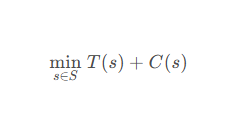
其中:
- S是所有可能的解决方案集合
- T(s) 是实施解决方案s的时间成本
- C(s) 是解决方案s的复杂度成本
最优调试策略是找到时间成本和复杂度成本之和最小的解决方案。
调试能力的提升是一个持续的过程:
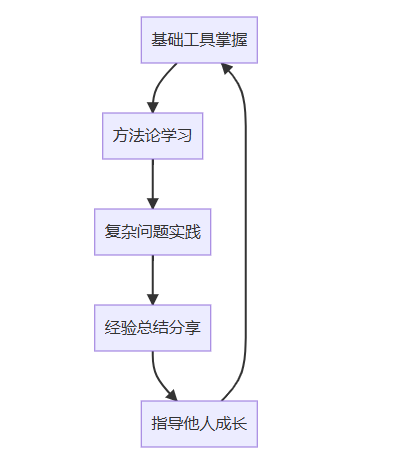
记住,优秀的调试能力不是天生的,而是通过系统性学习、刻意练习和不断反思培养出来的。每次面对复杂问题时,都是提升调试思维的宝贵机会。
以上就是Python中代码开发的调试技巧分享的详细内容,更多关于Python调试的资料请关注风君子博客其它相关文章!
您可能感兴趣的文章:
- Python中10大高阶调试方法分享
- 利用Python调试串口的示例代码
- Python调试代码的高效方法分享
- Python代码调试的方法集锦
- Python中的错误处理与调试技巧分享
- Python代码调试Debug的实用技巧分享